Bale Collision Center announced an expanded focus on collision repair standards as vehicle manufacturers continue introducing advanced safety technologies, specialized materials, and increasingly complex repair requirements.
According to the company, modern collision repair involves more than restoring visible vehicle damage. New vehicle designs often incorporate advanced driver-assistance systems, integrated electronics, structural components, and manufacturer-specific repair procedures that require detailed planning and inspection following an accident.
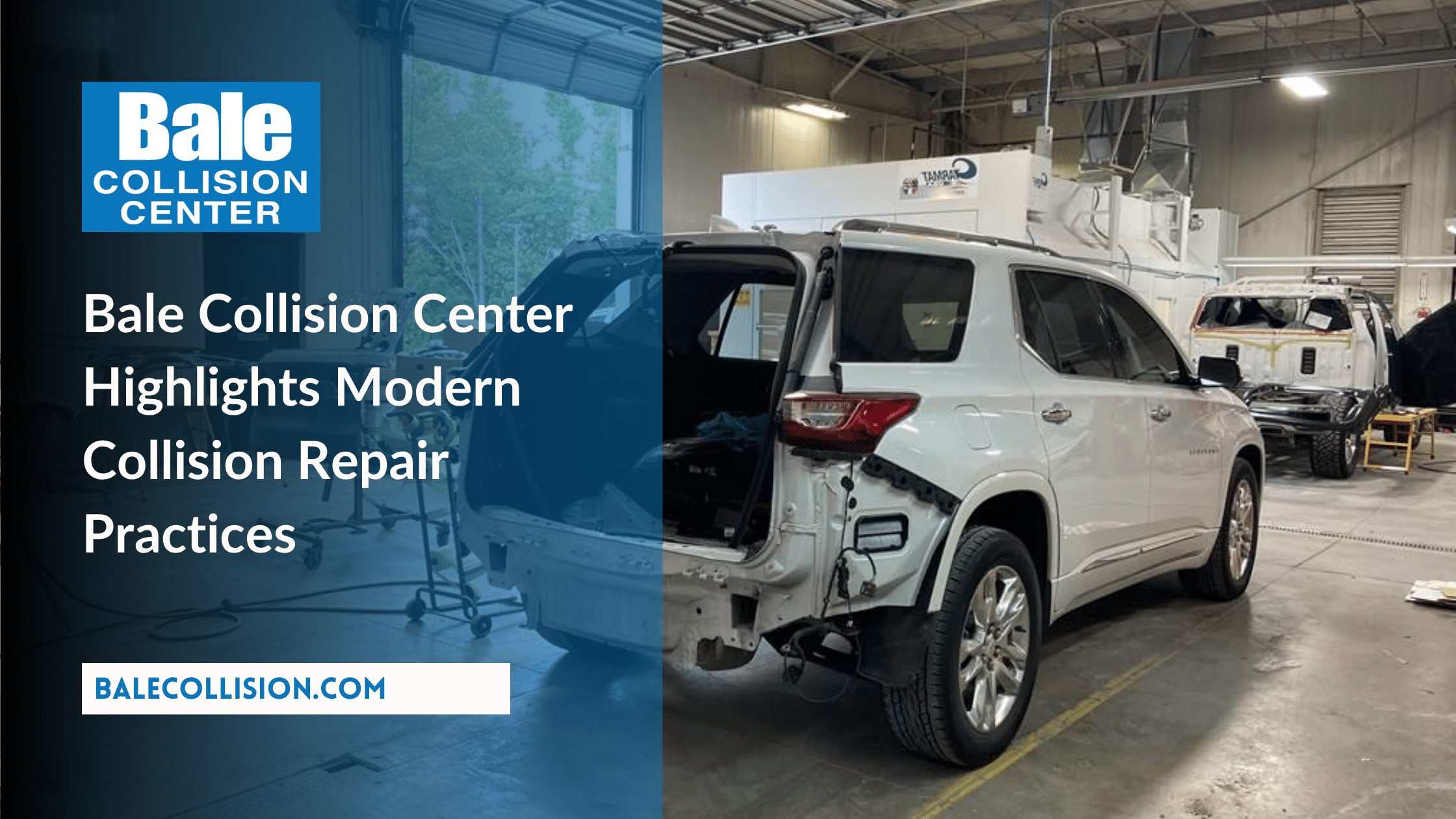
Bale Collision Center provides collision repair services for vehicles ranging from minor accident damage to more extensive structural repairs. The company states that repairs begin with a comprehensive assessment intended to identify visible and hidden damage before repair recommendations are developed.
"Today's vehicles require a detailed approach to repair planning and execution," said a representative of Bale Collision Center. "Repair procedures continue evolving alongside vehicle technology, making proper inspections, documentation, and manufacturer repair information increasingly important throughout the repair process."
The company notes that collision repair may involve structural repairs, panel replacement, refinishing procedures, suspension inspections, wheel alignment verification, glass replacement, and post-repair quality-control procedures depending on the extent of vehicle damage. Repair requirements vary based on vehicle construction, accident severity, and manufacturer recommendations.
According to Bale Collision Center, repair planning plays a critical role in determining the scope of repairs necessary following a collision. Damage that is not immediately visible may affect structural components, safety systems, or other vehicle features that require additional evaluation before repairs begin.
The company states that modern collision repair frequently involves a process commonly referred to as repair blueprinting. This process may include vehicle disassembly, damage documentation, repair mapping, and review of manufacturer repair information to help establish a more complete understanding of vehicle damage before repairs proceed.
Bale Collision Center notes that hidden damage discoveries are common following accidents, particularly when impact forces affect components located beneath exterior panels. Identifying these conditions early helps support repair planning and may reduce the likelihood of unexpected delays later in the repair process.
The company also emphasizes communication throughout the repair process. Vehicle owners frequently have questions regarding repair timelines, insurance coordination, parts availability, and repair procedures. Bale Collision Center says ongoing communication helps customers better understand the repair process and expected timelines from estimate through delivery.
According to the company, communication becomes especially important when supplemental damage is identified after repairs begin. Additional findings may affect repair recommendations, replacement part requirements, or repair schedules. Providing updates throughout these situations helps customers remain informed as repairs progress.
As vehicle technology continues advancing, repair facilities face growing demands related to technician training, repair equipment, diagnostics, and manufacturer repair procedures. The company states that maintaining structured repair standards remains important as vehicle designs become increasingly sophisticated.
Bale Collision Center also highlights the importance of repair verification procedures throughout the restoration process. Inspections may occur at multiple stages of repair work to evaluate completed repairs, review component fitment, assess refinishing quality, and help confirm that repairs align with the established repair plan before vehicle delivery.
The company continues serving vehicle owners who require assistance following accidents and collision-related damage. Through its collision repair services, Bale Collision Center aims to support vehicle restoration, repair quality, and customer confidence throughout the repair process.
More information about collision repair services is available through Bale Collision Center. Additional company updates and announcements are available through Bale Collision Center on Facebook.
About Bale Collision Center
Bale Collision Center provides collision repair, auto body repair, refinishing, structural repair, and vehicle restoration services. The company operates multiple repair facilities and focuses on manufacturer-approved repair procedures, technician training, and customer communication throughout the repair process.
###
For more information about Bale Collision Center, contact the company here:
Bale Collision Center (Chenal)
Jason Spiller
(501) 221-7181
jspiller@baleautomotive.com
13101 Chenal Pkwy, Little Rock, AR 72211, United States