
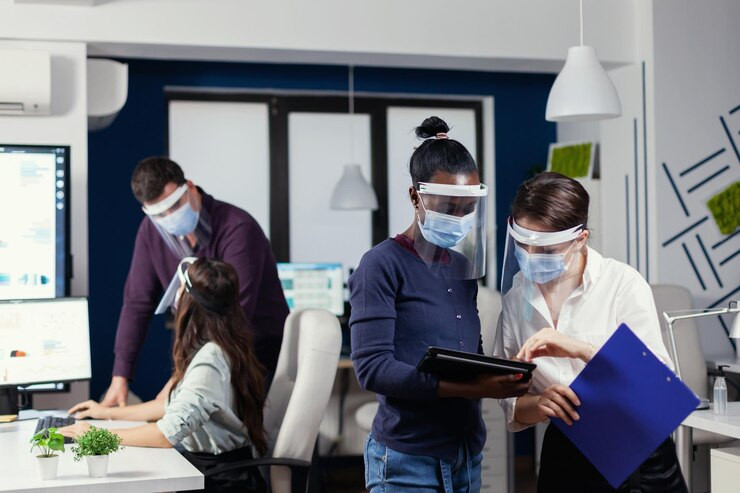
Commercial areas now implement revised health and safety measures post-pandemic.
Florence, United States - July 16, 2024 / Palmetto Commercial Real Estate /
The COVID-19 pandemic has left an indelible mark on the way we live, work, and interact with our surroundings. One of the most significant changes has been in the realm of commercial spaces. Businesses have had to rethink and redesign their environments to ensure the safety and health of their employees, customers, and clients. Let's delve into how commercial spaces are evolving to meet these new health and safety requirements.
The New Normal: Health and Safety First
The pandemic has instilled a new sense of urgency regarding health and safety. As a result, businesses have adopted numerous strategies to create safer environments. From implementing rigorous cleaning protocols to redesigning layouts for better social distancing, the emphasis on health is more pronounced than ever.
Enhanced Cleaning Protocols
One of the first measures implemented was enhanced cleaning protocols. Commercial spaces now undergo frequent and thorough cleaning, focusing on high-touch surfaces such as doorknobs, elevator buttons, and shared equipment. The use of disinfectants that are effective against the coronavirus has become standard practice.
Redesigning for Social Distancing
Social distancing has become a cornerstone of safety measures in commercial spaces. To facilitate this, businesses have reconfigured their layouts. Workstations are spaced further apart, and common areas have been redesigned to prevent crowding. In some cases, physical barriers like plexiglass screens have been installed to provide additional protection.
Touchless Technology
The shift towards touchless technology has gained momentum as businesses seek to minimize physical contact. Automatic doors, touchless faucets, and motion-sensor lighting are becoming commonplace. Even payment systems have evolved, with contactless payments and mobile wallets reducing the need for handling cash or cards.
Improved Air Quality
Air quality has emerged as a critical factor in ensuring a safe environment. Many commercial spaces have upgraded their HVAC systems to include advanced filtration that can capture viruses and other contaminants. Additionally, the incorporation of air purifiers and increased ventilation helps maintain cleaner air.
Flexible Workspaces
The traditional office setup has undergone a transformation. Flexible workspaces that can be easily reconfigured to accommodate changing needs have become essential. This adaptability allows businesses to quickly adjust to new guidelines and ensures that employees can maintain social distancing.
Hybrid Work Models
The pandemic has accelerated the adoption of hybrid work models, where employees split their time between working from home and the office. This reduces the number of people in the office at any given time, making it easier to implement social distancing and other safety measures.
Outdoor Spaces
Utilizing outdoor spaces has become a popular trend. Businesses are creating outdoor meeting areas, dining spaces, and break areas to provide employees with a safer environment. Fresh air and natural ventilation significantly reduce the risk of virus transmission compared to enclosed spaces.
Health Screening and Monitoring
Health screening and monitoring have become routine in many commercial spaces. Temperature checks, symptom surveys, and even on-site testing are used to identify potential cases of COVID-19 before individuals enter the premises. This proactive approach helps prevent outbreaks and ensures a safer environment for everyone.
Employee Wellness Programs
Recognizing the importance of mental and physical well-being, businesses have expanded their wellness programs. Providing resources for stress management, promoting physical activity, and offering mental health support are just a few ways companies are helping employees navigate these challenging times.
Communication and Transparency
Effective communication and transparency are vital in maintaining trust and ensuring compliance with new health and safety measures. Businesses are keeping employees informed about the latest guidelines, safety protocols, and any changes to the work environment. Clear signage and regular updates help reinforce these messages.
Training and Education
To ensure everyone understands and adheres to new protocols, businesses are investing in training and education. Employees receive training on proper hygiene practices, the correct use of personal protective equipment (PPE), and how to follow social distancing guidelines. Continuous education helps maintain a high standard of safety.
Innovative Design Solutions
Architects and designers are coming up with innovative solutions to make commercial spaces safer. From antimicrobial materials to self-cleaning surfaces, these design elements help reduce the risk of contamination. Creative use of space and technology also plays a crucial role in enhancing safety.
Customer and Client Safety
For businesses that serve customers and clients directly, additional measures are necessary. Limiting the number of people allowed in at one time, providing hand sanitizing stations, and implementing appointment systems are some ways to ensure customer safety. Clear communication about the measures in place helps reassure customers and build trust.
Future-Proofing Commercial Spaces
As we move forward, the concept of future-proofing commercial spaces is gaining traction. This involves designing spaces that can easily adapt to future health crises or changes in work dynamics. Flexibility, technology integration, and a focus on health and well-being are key components of future-proof designs.
Conclusion
The COVID-19 pandemic has reshaped the way we think about and design commercial spaces. By prioritizing health and safety, businesses are creating environments that not only meet current requirements but are also adaptable to future challenges. Enhanced cleaning protocols, touchless technology, improved air quality, and flexible workspaces are just a few of the changes that are here to stay. As we navigate this new normal, the emphasis on creating safe, healthy, and adaptable commercial spaces will continue to shape our built environment.
FAQs
Q: What are the most common changes in commercial spaces post-pandemic? A: Enhanced cleaning protocols, redesigned layouts for social distancing, touchless technology, and improved air quality are some of the most common changes.
Q: How are businesses ensuring air quality in commercial spaces? A: Many businesses have upgraded their HVAC systems with advanced filtration, added air purifiers, and increased ventilation to ensure cleaner air.
Q: What is the role of touchless technology in post-pandemic commercial spaces? A: Touchless technology minimizes physical contact, reducing the risk of virus transmission. Common examples include automatic doors, touchless faucets, and contactless payment systems.
Q: How have work models changed in response to the pandemic? A: The pandemic has accelerated the adoption of hybrid work models, where employees split their time between working from home and the office, reducing the number of people in the office at any given time.
Q: What is future-proofing in the context of commercial spaces? A: Future-proofing involves designing spaces that can easily adapt to future health crises or changes in work dynamics, focusing on flexibility, technology integration, and health and well-being.

Contact Information:
Palmetto Commercial Real Estate
135 S. Dargan St. Suite 301
Florence, SC 29506
United States
Andrew Chaplin
(843) 667-4999
https://palmettocommercial.com/

Original Source: https://palmettocommercial.com/media-room/#/media-room